

Biodegradable Electronics – Can Future Devices Disappear Without Leaving E-Waste?
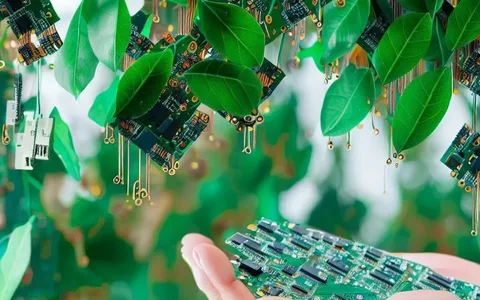
Electronic devices have become part of almost every area of modern life. Phones, sensors, medical devices, computers, and smart gadgets are produced in huge numbers every year. But electronics create a growing environmental problem: electronic waste, commonly called e-waste. Scientists are exploring biodegradable electronics that can perform useful functions for a limited period and then ...
Read more
Harvesting Energy From Human Movement – How Everyday Motion Could Generate Electricity
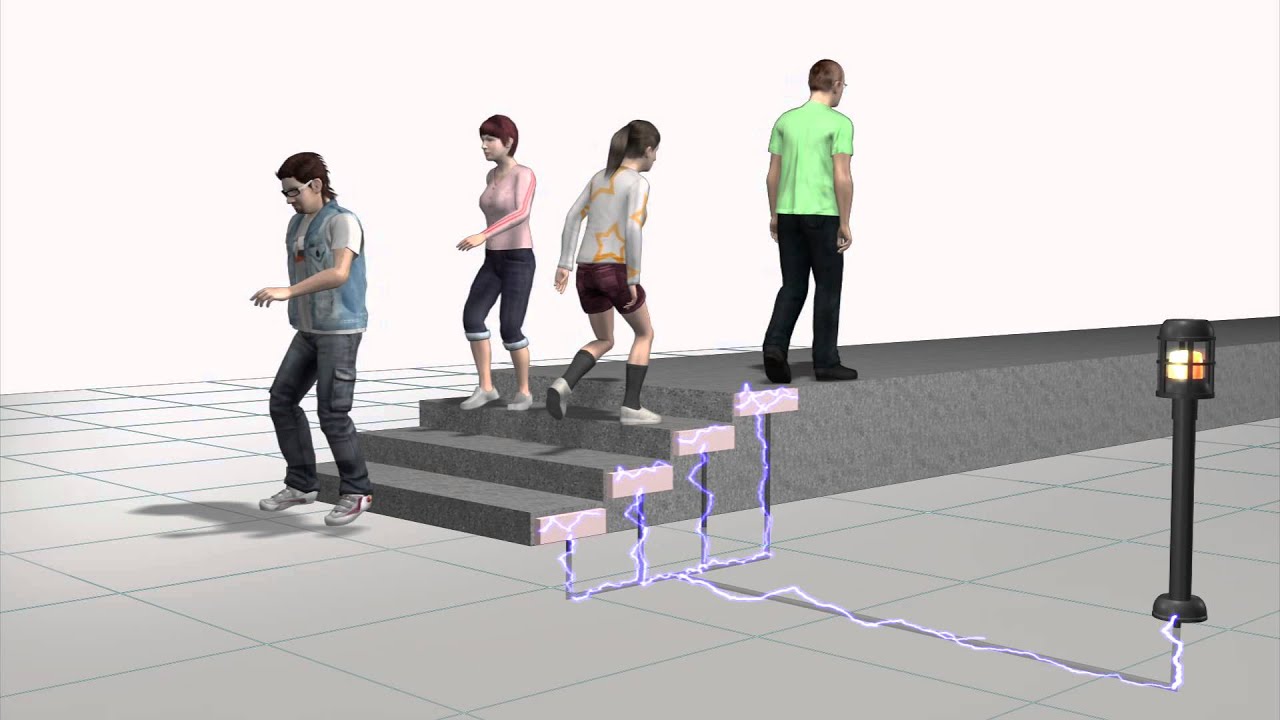
Every day, people walk, run, climb stairs, work, and move their bodies without thinking about how much mechanical energy is being produced. Researchers are exploring ways to capture a small portion of this movement and convert it into usable electricity. This idea is known as energy harvesting from human motion. The technology could eventually power ...
Read more
Floating Solar Farms – How Solar Panels Could Generate Power on Water
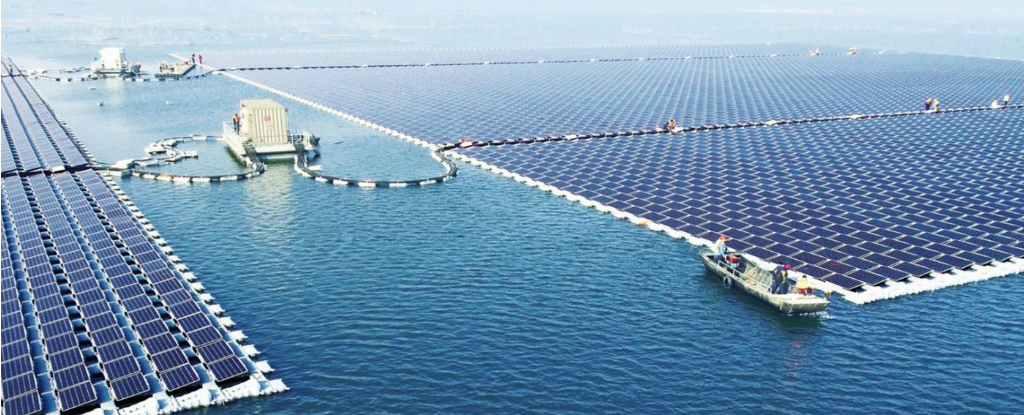
Solar energy is becoming an important source of renewable electricity around the world. Traditional solar panels are usually installed on rooftops, open land, and large solar farms. But land is not always available, especially near crowded cities and areas where agriculture is important. A new approach is gaining attention: floating solar farms. These systems place ...
Read more
Smart Textiles – How Intelligent Fabrics Are Changing Everyday Clothing

Clothing has traditionally been designed to provide protection, comfort, and style. But advances in technology are turning ordinary fabrics into something much more advanced. Smart textiles, also called electronic or intelligent textiles, are fabrics that can interact with their surroundings or collect information. Some can monitor temperature, detect movement, change appearance, or work with electronic ...
Read more
Underwater Data Centers – Could the Ocean Become the Next Home for Computer Servers?
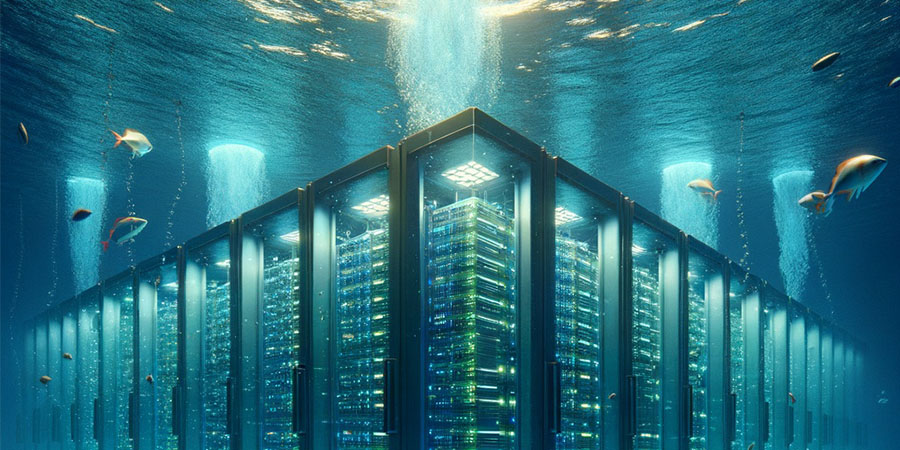
Data centers power much of the modern internet. They contain thousands of servers that process websites, cloud applications, Artificial Intelligence systems, videos, and online services. However, traditional data centers require large buildings, electricity, cooling systems, and significant infrastructure. This has led researchers and technology companies to explore an unusual idea: underwater data centers. Instead of ...
Read more
Digital Scent Technology – How Computers Could Reproduce and Detect Smells
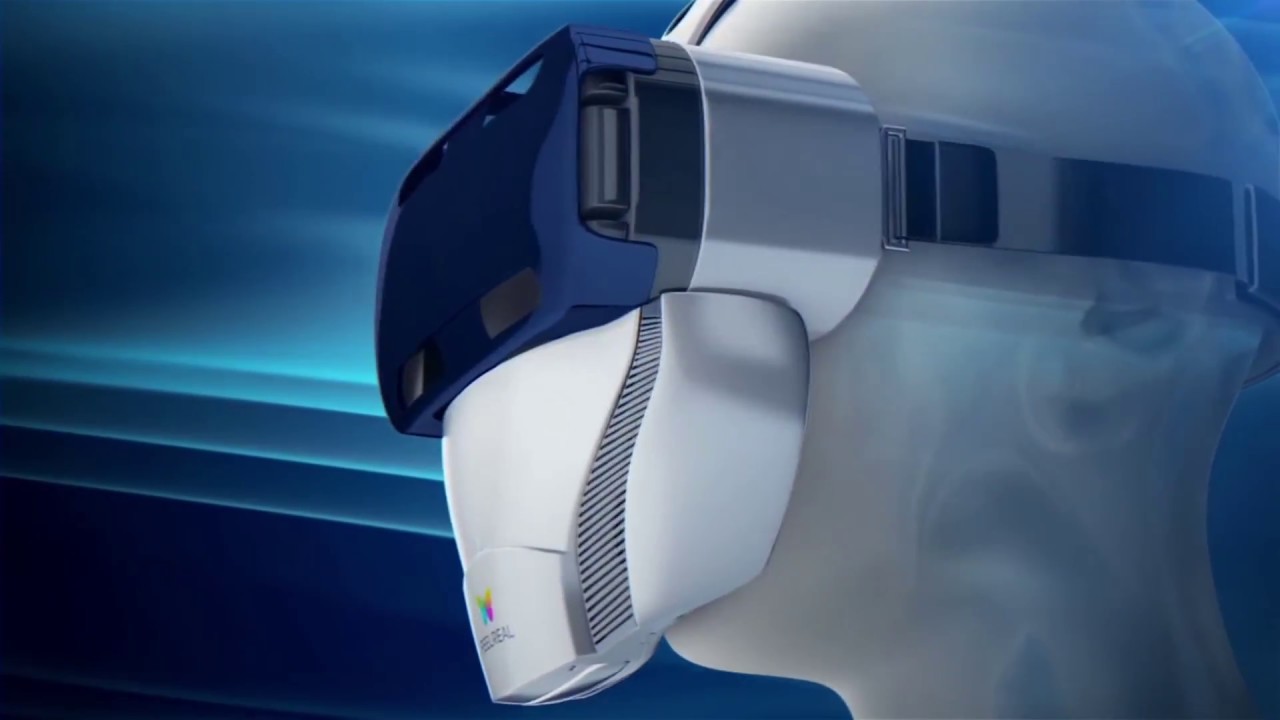
Technology can already reproduce images, sounds, and video with remarkable accuracy. But one sense has remained much harder to digitize: smell. Researchers are developing digital scent technology that aims to detect, analyze, store, and sometimes reproduce odors using electronic sensors and specialized chemical systems. This technology could eventually have applications in healthcare, food production, environmental ...
Read more
Wireless Electricity – How Power Could Reach Devices Without Traditional Cables
Electricity has traditionally been delivered through wires. Homes, offices, factories, and electronic devices all depend on cables to move electrical power from one place to another. But researchers are developing better ways to transfer electricity through the air. Wireless electricity, also called wireless power transfer, allows electrical energy to move between a power source and ...
Read more
Self-Charging Batteries – How Future Devices Could Produce Their Own Power
Batteries are essential for modern technology. Phones, watches, electric vehicles, medical devices, sensors, and many other products depend on stored electrical energy. But batteries eventually run out and need to be recharged. This creates a challenge for devices that are difficult to access, such as remote sensors, wearable technology, and certain medical equipment. Researchers are ...
Read more
Transparent Solar Panels – How Windows Could Generate Electricity
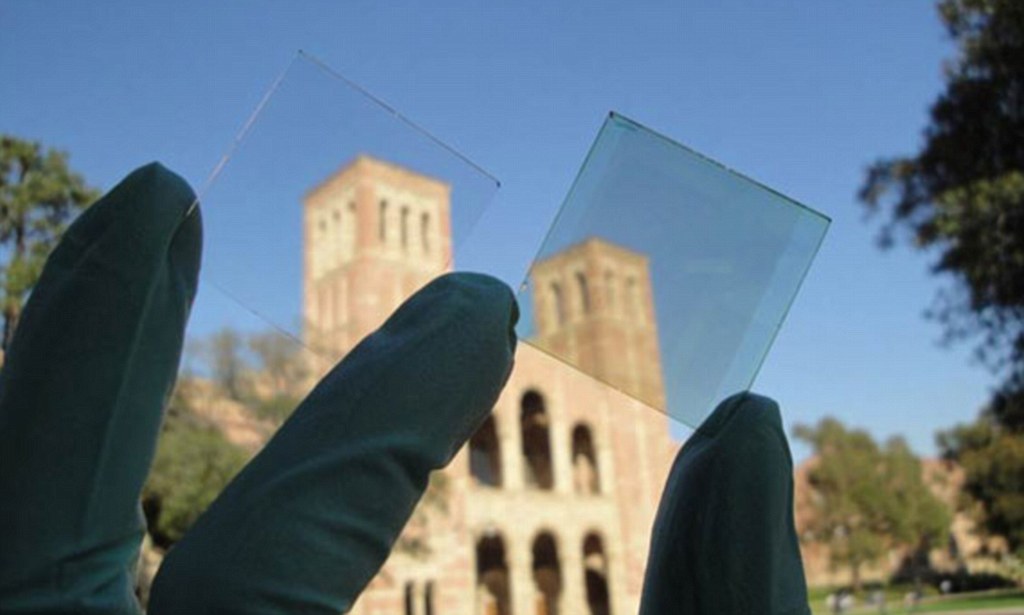
Solar panels are usually installed on rooftops, open land, and other areas that receive direct sunlight. But buildings have another large surface that receives sunlight every day: windows. Researchers are developing transparent and semi-transparent solar technologies that could allow windows to generate electricity while still allowing people to see through them. This could transform modern ...
Read more
How Future Construction Could Remove Carbon From the Air
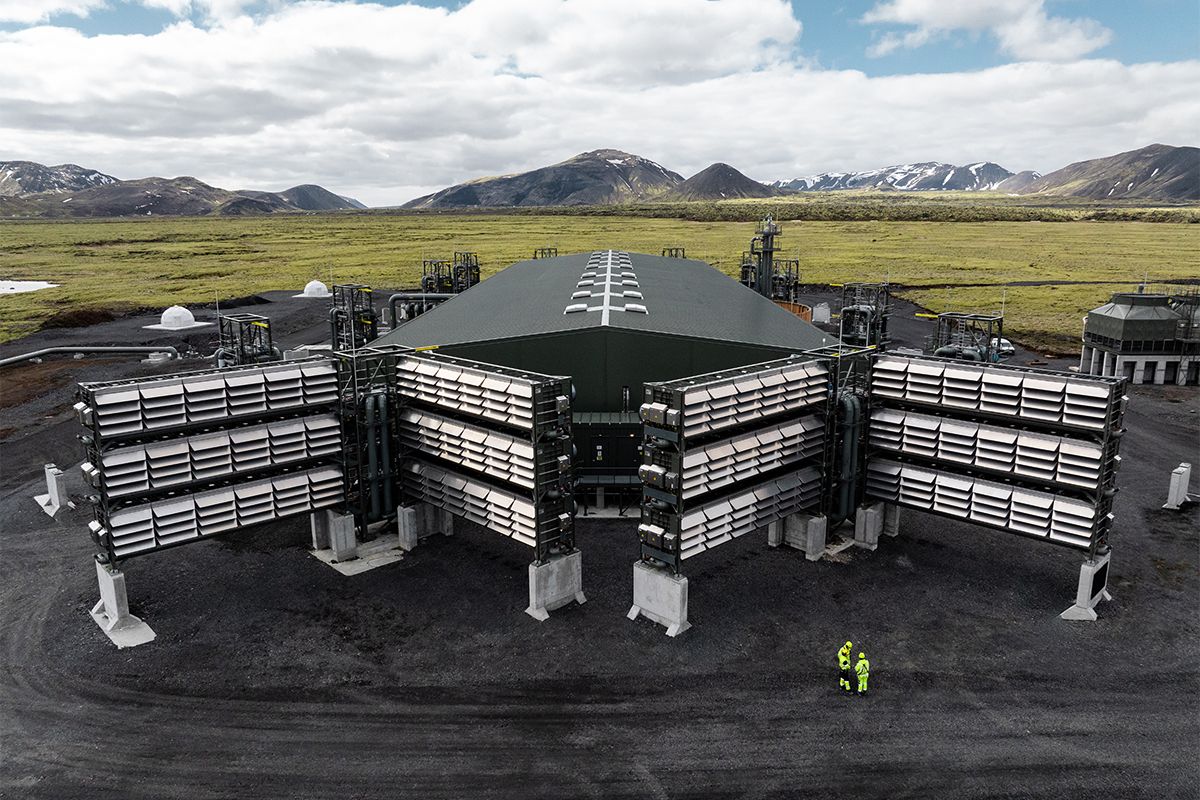
Buildings, roads, bridges, and other structures require enormous amounts of construction material. Concrete, steel, bricks, and other products have made modern infrastructure possible, but producing many of these materials also creates greenhouse gas emissions. Scientists and engineers are now developing carbon-negative building materials that could store more carbon than is released during their production and ...
Read more