
Ocean Thermal Energy Explained – How Seawater Temperature Could Generate Electricity
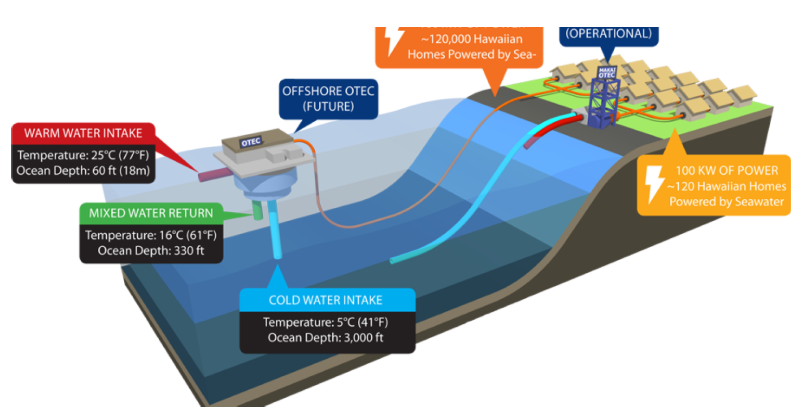
The ocean covers most of Earth’s surface and contains enormous amounts of thermal energy. While solar panels and wind turbines use sunlight and moving air, another renewable energy concept uses the natural temperature difference between warm surface water and colder deep water. This technology is known as Ocean Thermal Energy Conversion (OTEC). OTEC uses temperature ...
Read more
Materials Explained – The Technology That Could Repair Damaged Objects

Imagine a road that could repair small cracks by itself, a phone screen that could recover from minor scratches, or a building material capable of repairing tiny structural damage without immediate human intervention. This is the idea behind self-healing materials. Self-healing materials are specially designed materials that can repair certain types of damage automatically or ...
Read more
Humanoid Robots Explained – How Human-Like Machines Are Changing the Future of Work

Robots have been used in factories and other industries for decades, but a new generation of machines is designed to work in environments built for humans. These machines are known as humanoid robots. Humanoid robots are designed with human-like features such as arms, legs, hands, cameras, and sensors. Combined with Artificial Intelligence (AI), they can ...
Read more
Vertical Farming Explained – How Crops Can Grow in High-Rise Buildings

Traditional agriculture depends heavily on large areas of farmland, suitable weather, and access to water. As cities grow and the global population increases, finding efficient ways to produce fresh food is becoming more important. Vertical farming offers a different approach. Instead of growing crops across large horizontal fields, vertical farms grow plants in stacked layers ...
Read more
Neuromorphic Computing Explained – Building Computers That Think More Like the Human Brain
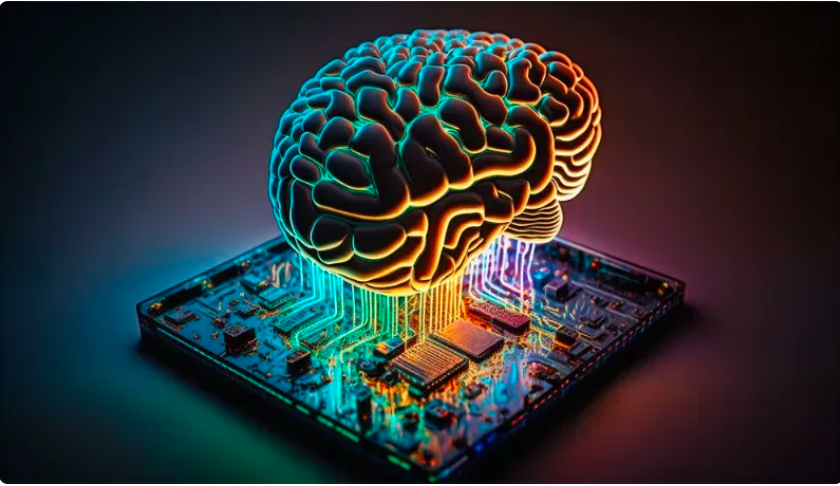
Modern computers are incredibly powerful, but they still process information very differently from the human brain. While traditional computers perform calculations step by step, the brain processes massive amounts of information simultaneously while using very little energy. To bridge this gap, scientists have developed a new technology known as Neuromorphic Computing. In 2026, neuromorphic computing ...
Read more
Programmable Matter Explained – The Revolutionary Technology That Could Change Shape on Demand

Imagine a table that transforms into a chair, a smartphone that folds into a tablet without hinges, or emergency shelters that build themselves after a natural disaster. These futuristic ideas may become possible through programmable matter. Programmable matter is an emerging technology that allows materials to change their shape, appearance, or physical properties when instructed ...
Read more
Edge AI Explained – How Artificial Intelligence Is Moving Closer to Your Devices

Artificial Intelligence is often associated with powerful cloud servers and large data centers. However, AI does not always need to send information to a remote server. A growing technology called Edge AI allows Artificial Intelligence models to run directly on devices near where data is generated. Smartphones, security cameras, vehicles, industrial machines, and wearable devices ...
Read more
Quantum Internet Explained – How Quantum Technology Could Transform Secure Communication

internet has changed how people communicate, work, learn, and share information. However, scientists are now researching a new type of network that could operate according to the unusual rules of quantum physics. This concept is known as the quantum internet. A quantum internet would connect specialized quantum devices and allow them to exchange quantum information. ...
Read more
Self-Healing Materials Explained – The Future of Smarter and Longer-Lasting Products

Imagine a smartphone screen that repairs small scratches on its own or a bridge that automatically seals tiny cracks before they become dangerous. These ideas are becoming possible through self-healing materials, one of the most exciting innovations in materials science. Self-healing materials are designed to detect damage and repair themselves without significant human intervention. In ...
Read more
Smart Fabrics Explained – How Intelligent Clothing Is Changing Everyday Life
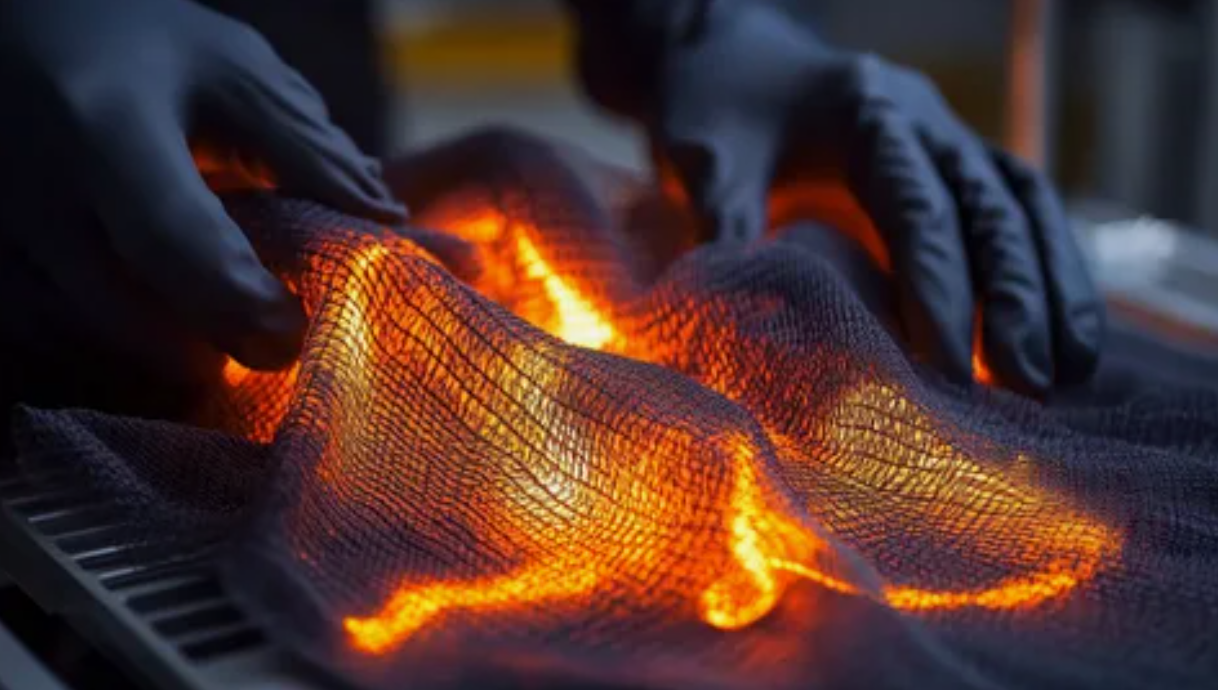
Clothing has traditionally been designed to provide comfort, protection, and style. Technology is now adding another purpose: collecting information and interacting with the environment. This emerging technology is known as smart fabrics or e-textiles. Smart fabrics combine traditional textiles with sensors, conductive materials, flexible electronics, and sometimes Artificial Intelligence (AI). They can monitor body movement, ...
Read more