
Spatial Computing Explained – How Digital Content Is Entering the Real World
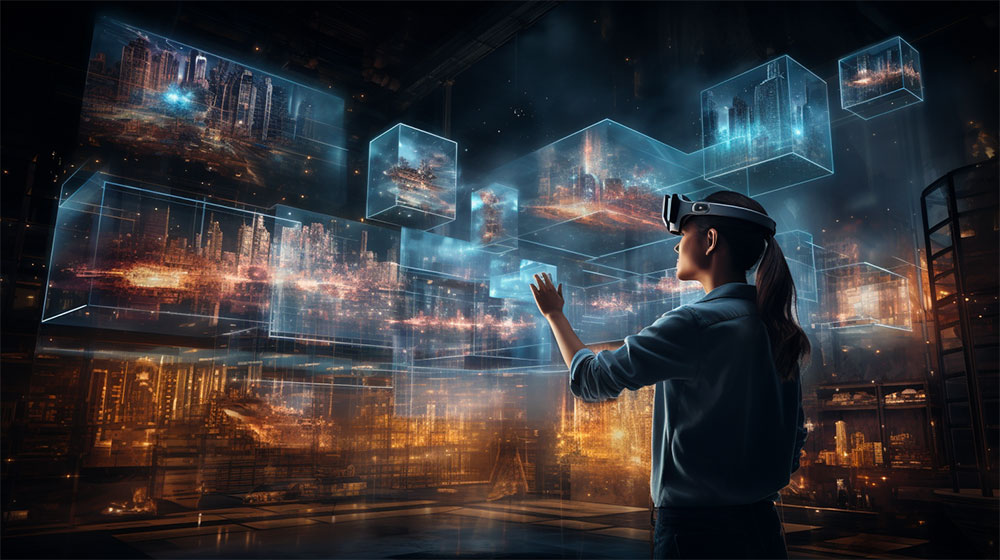
Computers have traditionally displayed digital information on screens such as phones, televisions, and monitors. A new generation of technology is changing this relationship by allowing digital content to interact with physical environments. This technology is known as spatial computing. Spatial computing combines technologies such as augmented reality, virtual reality, computer vision, sensors, three-dimensional graphics, and ...
Read more
Autonomous Delivery Robots Explained – How AI Is Transforming Last-Mile Delivery
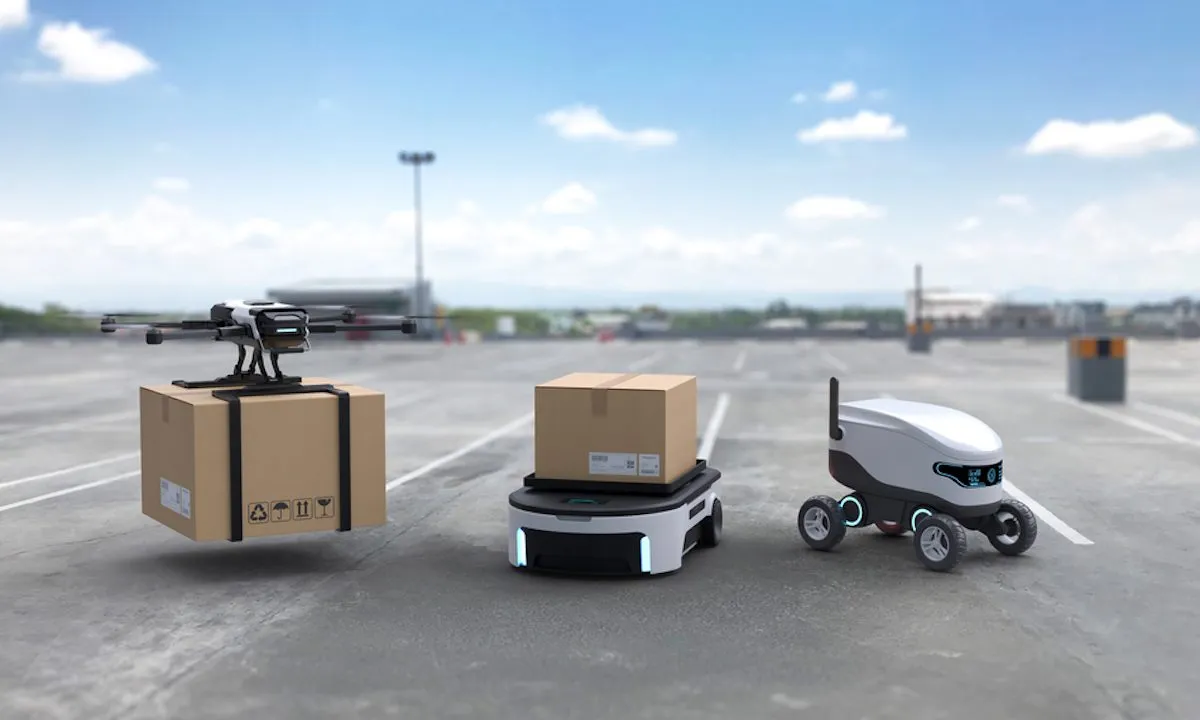
Online shopping has changed the way people buy products, but delivering millions of packages quickly and efficiently remains a major challenge. To solve this problem, companies are developing autonomous delivery robots—small, AI-powered machines that can transport groceries, food, medicines, and parcels without a human driver. In 2026, autonomous delivery robots are becoming more common in ...
Read more
Solid-State Batteries Explained – Why the Next Generation of Batteries Could Change Energy Storage
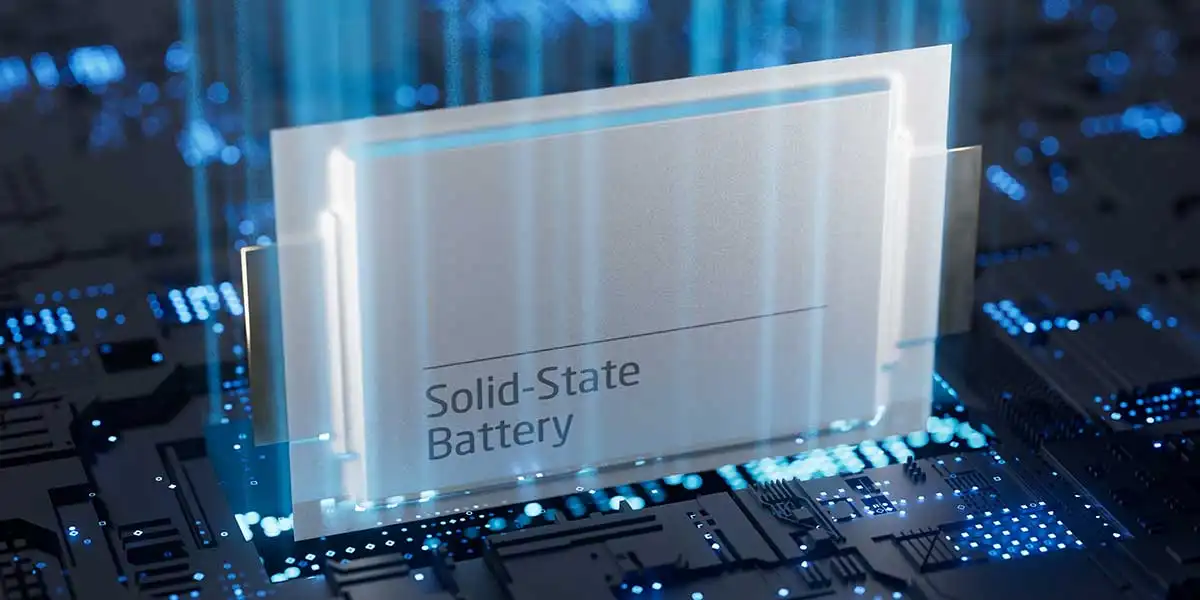
Batteries power many of the devices people use every day, including smartphones, laptops, electric vehicles, and renewable energy systems. Most modern batteries use liquid or gel electrolytes, but researchers are developing a different technology called solid-state batteries. Solid-state batteries replace the traditional liquid electrolyte with a solid material. This design could potentially improve energy density, ...
Read more
AI-Powered Search Engines – How Search Is Changing in the Age of Artificial Intelligence

For many years, people have used search engines by typing keywords and scanning through lists of web pages. Artificial Intelligence is now changing this experience. Modern AI-powered search systems can understand questions, summarize information, compare different sources, and provide more conversational answers. AI-powered search engines combine traditional search technology with machine learning, natural language processing, ...
Read more
Synthetic Data Explained – How Artificial Data Is Powering Modern Technology

Artificial Intelligence systems need huge amounts of data to learn and improve. However, collecting real-world data can be expensive, time-consuming, and sometimes difficult because of privacy concerns. Synthetic data offers a possible solution. Synthetic data is artificially generated information that is designed to reproduce useful characteristics of real-world data without directly copying actual records. It ...
Read more
Digital Twins Explained – How Virtual Models Are Changing the Real World
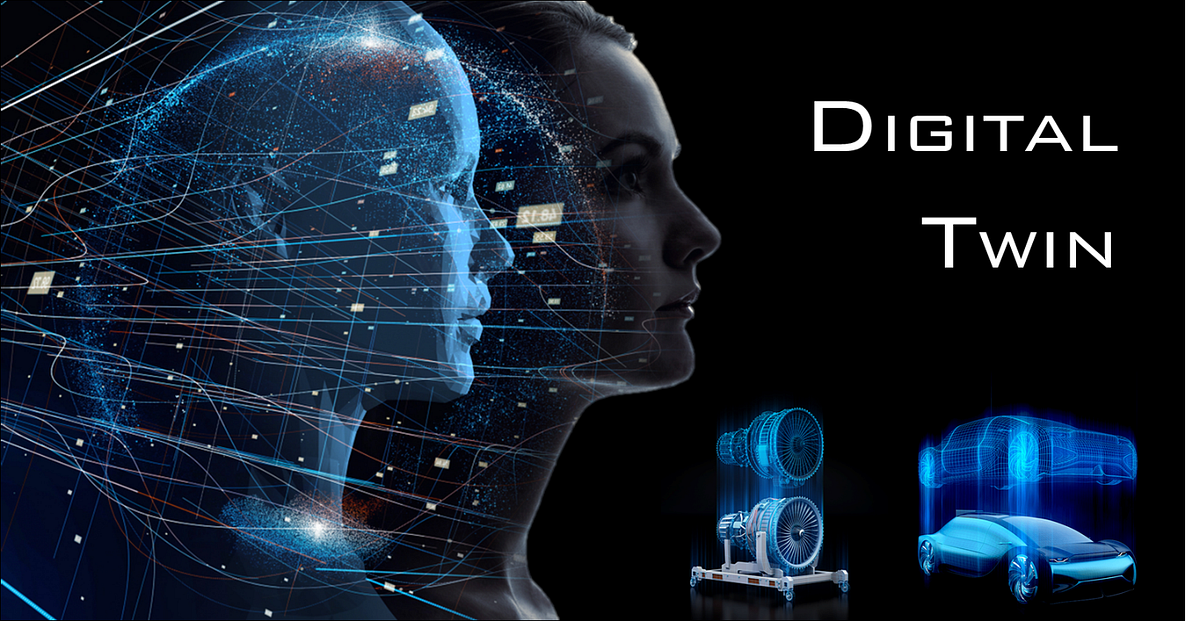
Modern technology is making it possible to create detailed virtual versions of real-world objects, machines, buildings, and even entire cities. These virtual representations are known as Digital Twins. A digital twin is a computer-based model that represents a physical object or system. It can receive real-time information from sensors and use Artificial Intelligence (AI) and ...
Read more
Digital Watermarking Explained – How Technology Protects Digital Content
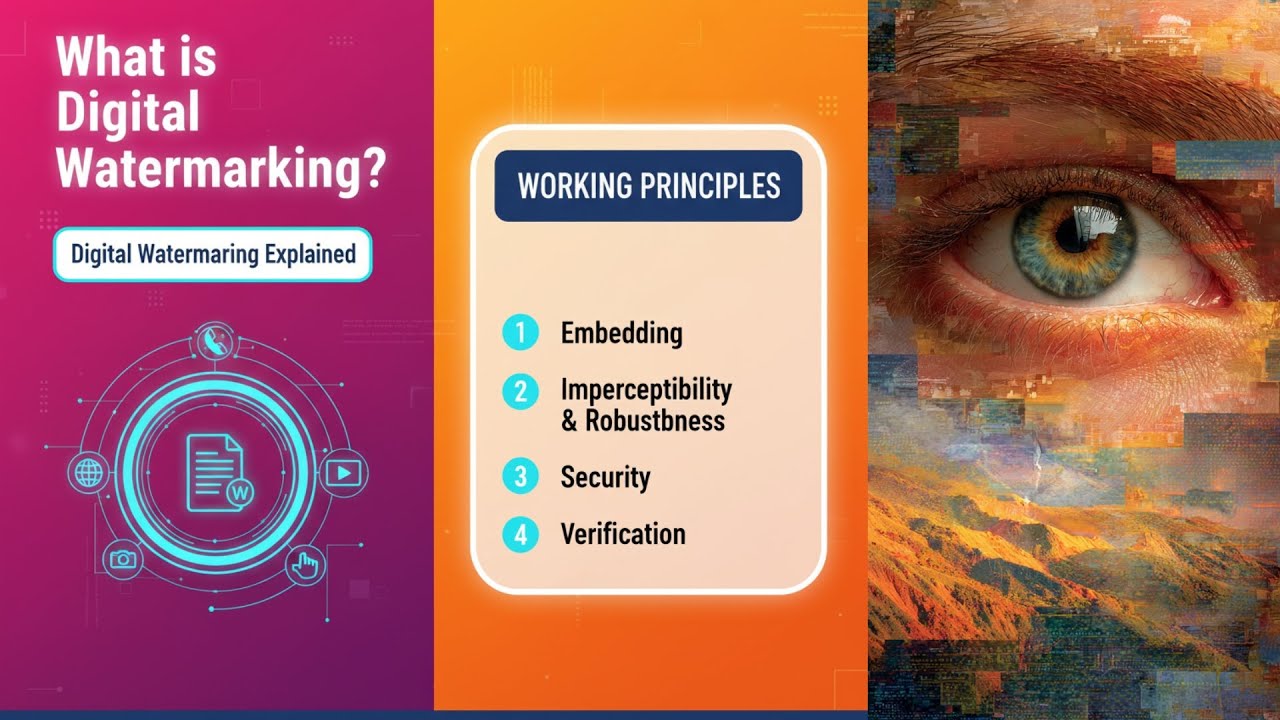
Digital content is everywhere. People create and share photos, videos, documents, music, software, and other files every day. However, copying and redistributing digital content without permission has become easier than ever. Digital watermarking is one technology designed to help protect digital content. It embeds identifying information into a digital file so that ownership, authenticity, or ...
Read more
Brain-Computer Interfaces Explained – How Technology Is Connecting the Human Brain to Computers
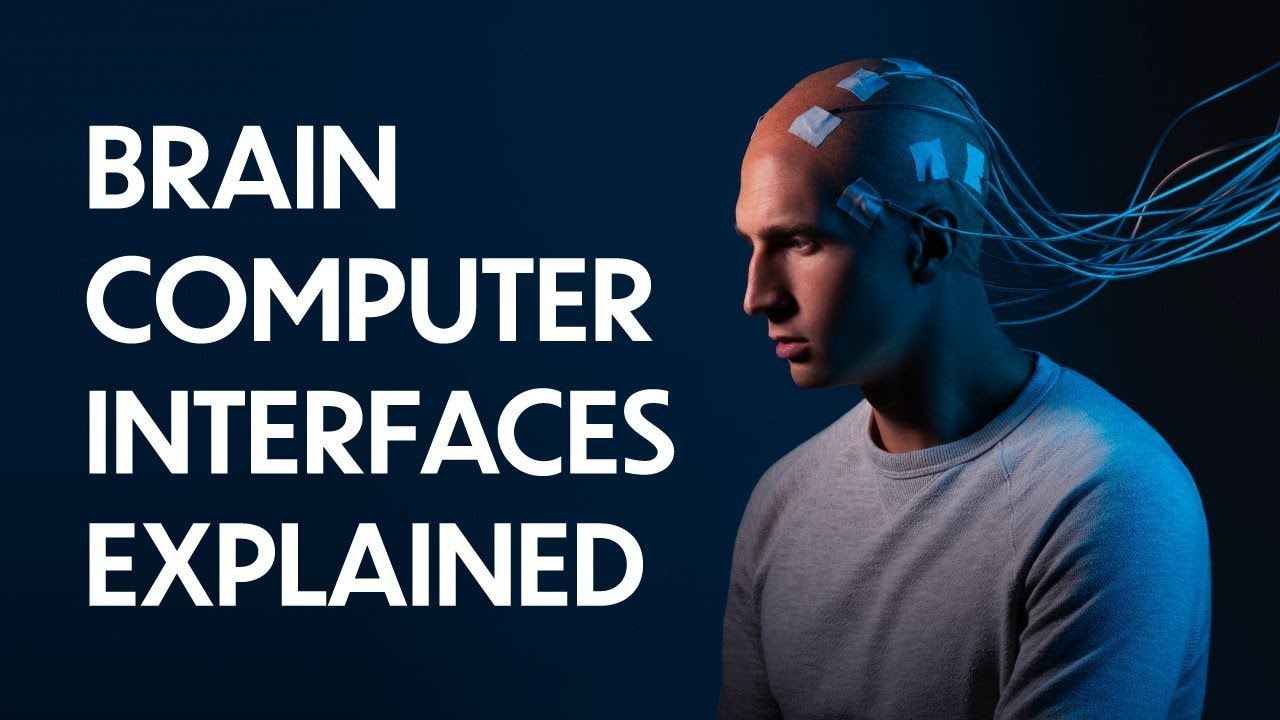
For most of computing history, people have controlled devices using keyboards, mice, touchscreens, and voice commands. Scientists are now developing a different way to interact with technology: Brain-Computer Interfaces (BCIs). A brain-computer interface is a system that can detect signals from the brain and translate them into commands for a computer or other device. This ...
Read more
Li-Fi Technology Explained – How Light Could Become the Next Wireless Network
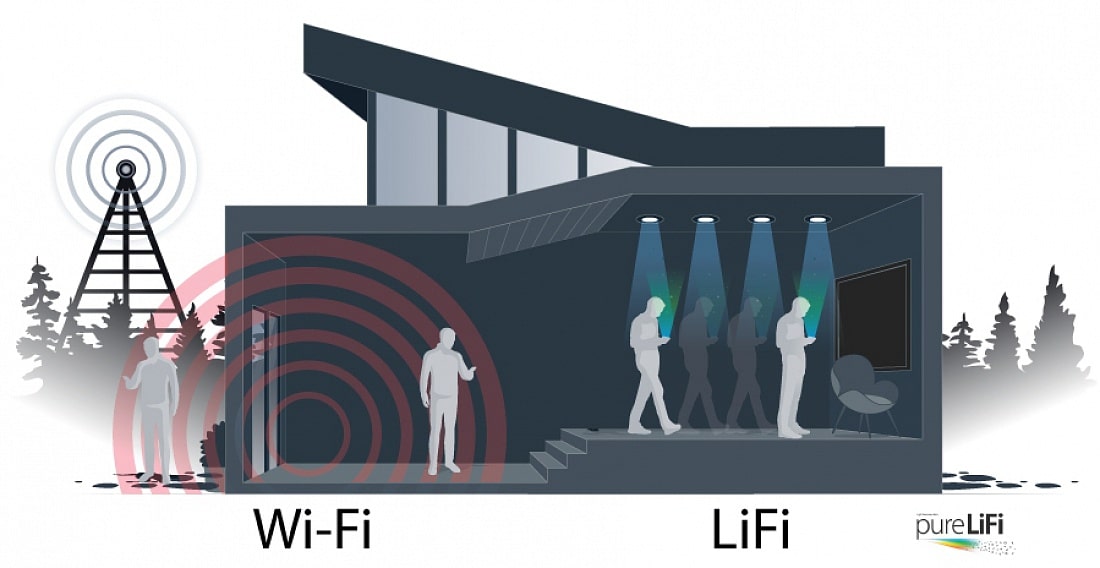
Wireless communication has become an essential part of modern life. Wi-Fi connects smartphones, computers, smart TVs, and countless other devices to the internet. But researchers are also developing another wireless communication technology that uses something very different from radio waves: light. This technology is called Li-Fi, short for Light Fidelity. Li-Fi uses light from LEDs ...
Read more
Spatial Computing Explained – How Digital Content Is Entering the Real World
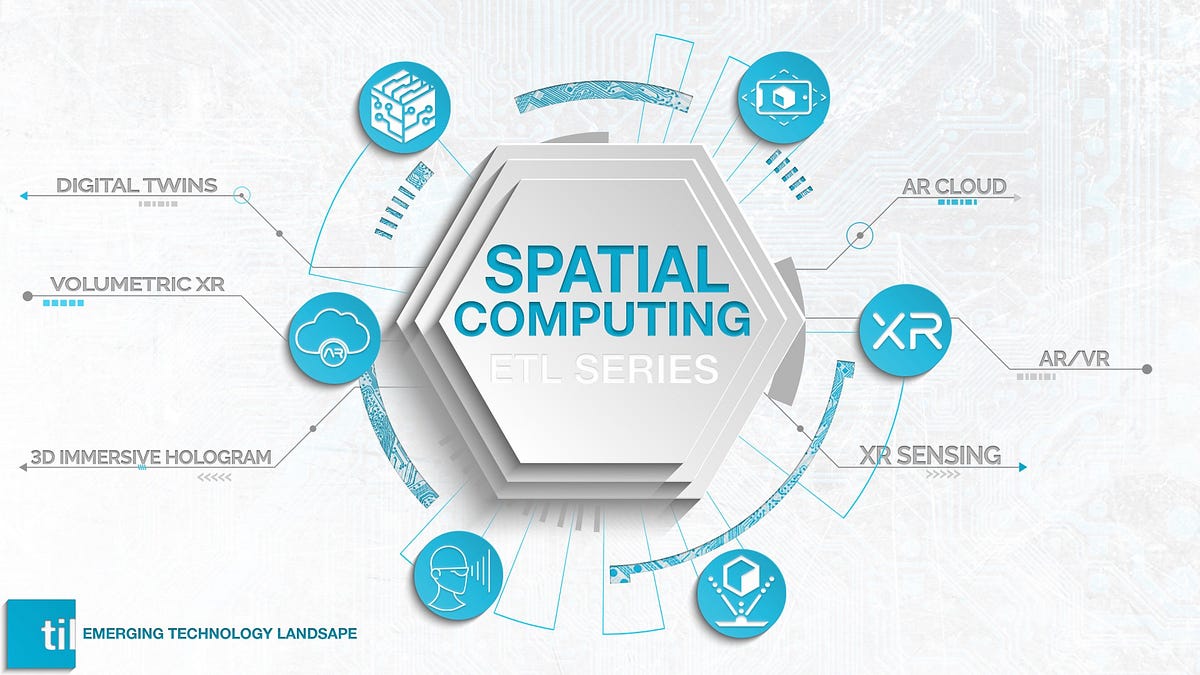
Technology is changing the way people interact with digital information. Instead of viewing everything through traditional computer screens or smartphones, a new approach called Spatial Computing allows digital content to interact with the physical world. Spatial computing combines technologies such as Artificial Intelligence (AI), Augmented Reality (AR), Virtual Reality (VR), cameras, sensors, and computer vision. ...
Read more